What Is a Crossbite and How Is It Treated?
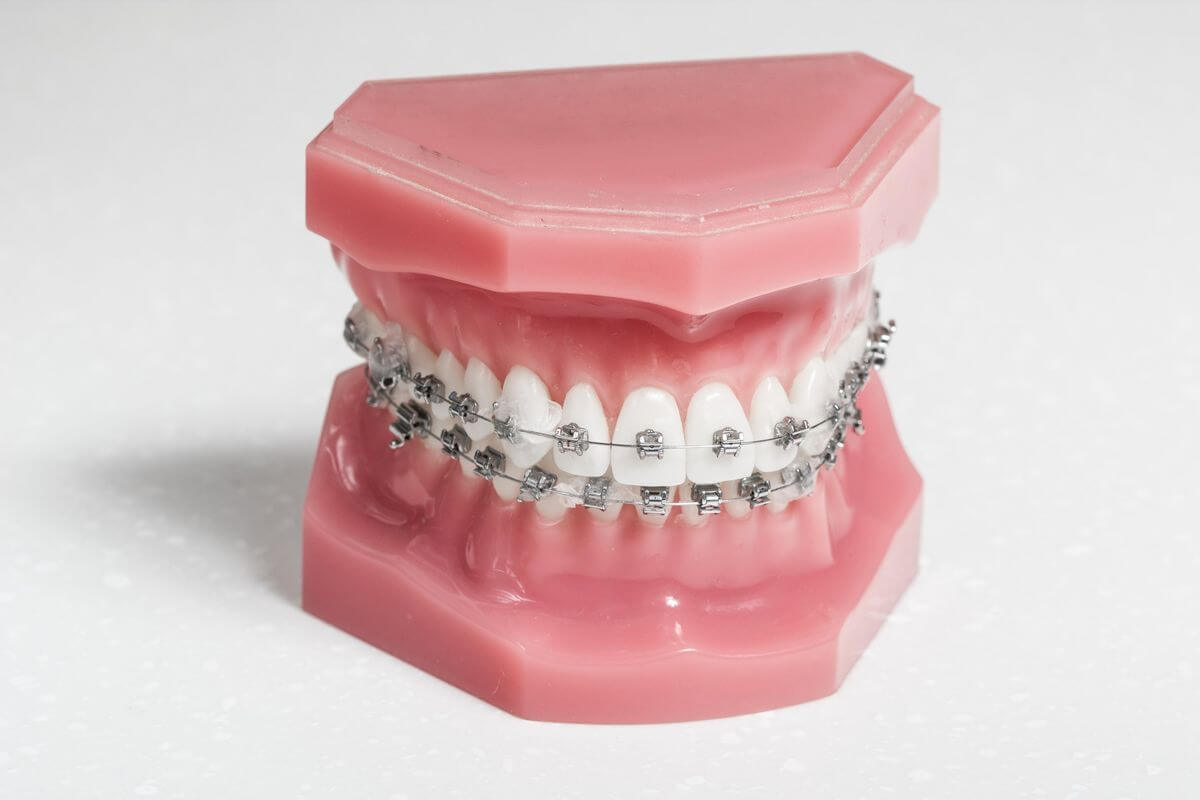
A crossbite happens when some of your upper teeth sit behind or inside your lower teeth when you bite down. Orthodontists treat it with tools like braces, clear aligners, or a palatal expander (a small appliance that gently widens the upper jaw), depending on the cause and your age.
If you've noticed your teeth don't line up the way they should, or a dentist mentioned a crossbite, you probably have questions. This post explains what a crossbite is, how it can affect your teeth and jaw growth, and how it's corrected. Whether you're a parent, a teen, or an adult near Paradise Valley Village, you'll find a clear picture of what to expect.
What Is a Crossbite?
In a healthy bite, your upper teeth fit slightly over your lower teeth, like the lid on a box. In a crossbite, one or more upper teeth fit inside the lower teeth instead.
A crossbite can involve a single tooth or several teeth. It can also affect the front or the back of your mouth.
What Are the Different Types of Crossbite?
Orthodontists describe crossbites by where they appear. Knowing the type helps shape the treatment plan.
Anterior crossbite
This affects the front teeth. One or more upper front teeth sit behind the lower front teeth when you bite together.
Posterior crossbite
This affects the back teeth. Upper back teeth sit inside the lower back teeth on one side or both sides of the mouth.
Single-tooth and multiple-tooth crossbite
Some crossbites involve one tooth that erupted out of position. Others involve a group of teeth, often because the upper jaw is narrower than the lower jaw.
What Causes a Crossbite?
Crossbites often come from a mix of factors. Genetics play a role, since jaw size and shape run in families.
Other causes can include baby teeth that stay in too long, adult teeth that grow in at an angle, or habits like prolonged thumb sucking. Sometimes the upper jaw is narrower than the lower jaw, which makes the teeth meet unevenly.
Every patient is different, so an exam is the best way to learn what's behind your crossbite.
How Can a Crossbite Affect Your Teeth and Jaw Growth?
A crossbite can do more than change how your smile looks. It can change how your teeth and jaws work together.
Wear on teeth and gums
When teeth don't meet evenly, some can take extra pressure. Over time, this can lead to uneven wear, chipping, or gum recession (when gum tissue pulls back from the tooth).
Jaw growth in children
In a growing child, a posterior crossbite can sometimes cause the lower jaw to shift to one side to make the teeth fit together. Orthodontists watch for this because a jaw that grows around a bite problem may develop unevenly. Not every crossbite leads to this, which is one reason an individual evaluation matters.
Comfort and function
Some people with a crossbite notice jaw discomfort or difficulty chewing comfortably. A crossbite isn't always the cause of these symptoms, and other factors can be involved. If you have ongoing jaw pain, our team can talk through your options, and our TMJ and myofascial treatment page explains how we approach jaw concerns.
How Do Orthodontists Correct a Crossbite?
The right approach depends on your age, the type of crossbite, and what's causing it. Here are the most common options.
Palatal expanders for growing children
A palatal expander is a small appliance that fits across the roof of the mouth. It gradually widens the upper jaw while a child's bones are still growing. This can create room for the upper teeth to line up properly with the lower teeth.
Braces
Braces use brackets and wires to guide teeth into better positions. They can correct many crossbites in teens and adults, and they offer precise control for more complex bite problems. You can learn more about braces on our site.
Clear aligners
Some crossbites, especially milder ones, can be treated with clear aligners like Invisalign. These are removable, nearly invisible trays that move your teeth step by step. Whether aligners fit your situation depends on your bite, and we'll tell you honestly if another option suits you better.
Elastics and other tools
Orthodontists sometimes add small rubber bands (elastics) or other appliances to help guide the bite into place. These work alongside braces or aligners.
Combined treatment for complex cases
Some adult crossbites involve the jaw structure itself. In those cases, an orthodontist may work with an oral surgeon or other dental professionals. Dr. Dan Blue is an orthodontist and university-trained prosthodontist (a dentist who specializes in restoring and replacing teeth), and he has experience with complex, multidisciplinary cases.
When Should a Child Be Checked for a Crossbite?
Early evaluations help families understand what's happening as a child grows. Many orthodontic associations recommend a first orthodontic check-up around age 7, though your child's dentist may suggest a different timeline.
An early visit doesn't mean your child needs treatment. Often it simply gives you information. If a crossbite is present, you'll learn whether to treat it now or monitor it as your child grows.
Can Adults Fix a Crossbite?
Yes, many adults can. Treatment options differ from those for children because adult jaws have finished growing. Braces or clear aligners can often improve how the teeth fit together, and some cases involve a team approach.
Your treatment plan depends on your bite, your oral health, and your goals. A thorough exam helps us recommend what makes sense for you.
What Is a Crossbite Consultation Like at Blue Orthodontics?
At your visit, we look at your teeth, bite, and jaw. We talk with you about your goals and explain what we see in plain language. You'll leave knowing your options, a general sense of timing, and what costs to expect.
Treatment time varies from person to person, so we never promise a specific timeline. We also discuss flexible payment options and work with most insurance plans, so you can plan with confidence.
If you live in or near Paradise Valley Village, our team makes it easy to find a visit that fits your schedule. Prefer to start from home? A virtual consultation is an option too.
Frequently Asked Questions
Will a crossbite fix itself?
Rarely. Some baby teeth issues resolve as adult teeth come in, but a true crossbite usually needs an orthodontist's evaluation. An exam can tell you whether monitoring or treatment makes sense.
Is crossbite treatment painful?
Most people feel some pressure or soreness after an adjustment or when starting a new appliance. This usually eases within a few days. Your orthodontist can suggest ways to stay comfortable.
How long does crossbite treatment take?
It varies. Timelines depend on the type of crossbite, your age, and the treatment chosen. We'll give you a general estimate after your exam, though no one can guarantee an exact timeline.
Does insurance cover crossbite treatment?
Coverage depends on your plan. We work with most insurance plans and can help you understand your benefits at your visit.
Do I need braces or Invisalign for a crossbite?
Not always. The best option depends on your bite and your needs. Some patients do well with aligners, others with braces, and some children begin with an expander.
Start With a Conversation
If you think you or your child might have a crossbite, a complimentary consultation is a comfortable place to begin. We'll look at your bite, answer your questions, and talk through the options at your pace. You can contact our team to schedule a visit whenever you're ready.